
5 Do's And Dont's of Picture Book Manuscripts
- Kiara Brown

- Jan 14, 2018
- 4 min read
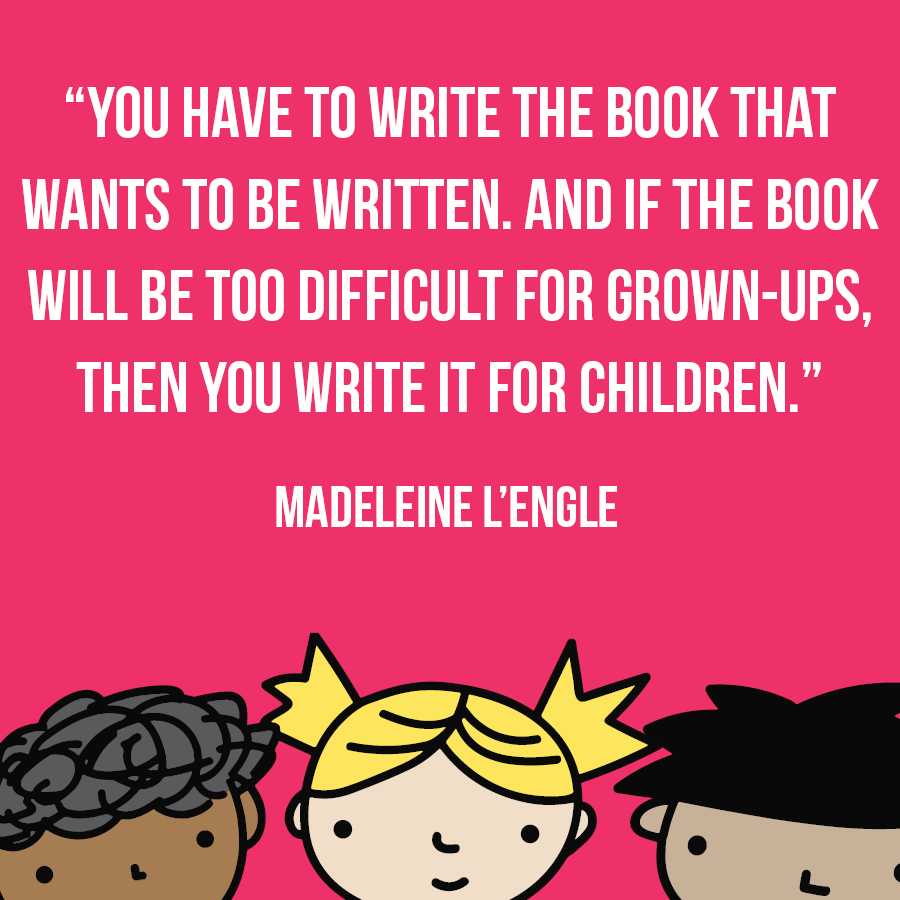
Regardless of what publishing option you choose to go with, you need to have a manuscript. A manuscript is the words of your book without any of the extra stuff like typography and unless you are publishing a book without words, you need to have one. All manuscripts have things in common, however, if you're publishing a picture book there are some more specific things you need to know. If you're thinking of pitching your story to a publishing company it's more even more important to keep these things in mind when writing or editing your manuscript in order to be taken seriously.
DO keep it short. Generally speaking, picture books should have around 500 words max. It's fine to go way under this number but it’s suggested to not go much above it. Because of this short length people tend to think the picture books are easier to write. However, don't underestimate the amount of effort here, in fact it can be harder to write under such a small world limit because you have less room to tell the story. This gives each word more value than it might've had in a longer story and makes choosing the right word that much more important.
DON'T use words above your target audience age. You should make a choice of whether you want your book to be one kids learn to read by themselves at some point (a good example of this is Brown Bear, Brown Bear) or one that gets read to them (i.e Where the Wild Things Are). The latter allows for more vocabulary but either way you should try and limit your word usage to the ones most kids will understand. There are a few exceptions to this- for example it's usually fine to add a big word or two for an emphasis or to teach a kid a new word. I know in a book I read as a kid the word flabbergasted was used to to make certain things stand out; and I've always known it's meaning because of that book. Still you should double check your manuscript to make sure all your words are right for your audience. This doesn't mean "dumb it down” -kids often are smarter than you give them credit for- it means you need to edit your message or story for who you are trying to reach.
DO focus on kids/animals/inanimate objects as your main characters. These are of course some exceptions to this -but generally speaking, if you're writing a book for kids it should be about kids (What Do You Do With An Idea) or something that they can relate to like animals (Elephant and Piggie series, Winnie the Pooh) or even inanimate objects that come to life (Corduroy, The Day the Crayons Quit) given human characteristics. You might be tempted to write about adults or teenagers in your picture books, but make sure to consider your audience first. When you read stories you want to be able to relate to the characters, even in the slightest sense. For example, you probably wouldn't pick up a romance novel about Kindergartners; so why would a Kindergartner want to read about the day-to-day life of an adult? It's easier for kids to read about people their age or animals/inanimate things who act their age.
DON'T write exclusively about your kid, pet etc. This is more of a caution than anything because writing about your kids or pets can often work pretty well (Boo the dog, The Christmas wish) but you have to consider any of your personal biases first. You might think you're tabby cat is a born star, but are you saying that because it's your pet or because it's true?
DO realize the importance of your book. This might seem like an odd thing to include on this list but hear me out. Picture books are important. Picture books are often the first books kids are exposed to; and outside of their family, for the first several years of their life picture books could be their only exposure to the outside world. Therefore, even the smallest things can make a big impact. This can be either subliminally or explicitly and either positive or negative, so be careful. With Princess Pretend and The Not Knight I wanted the two main characters to be as all-inclusive to readers as possible. They don’t have hair or eye color, and their skin is set to 0 on all of the CMYK scale so they have no race other than “blank”. I wanted it to be possible for them to be any kid, and for any kid to be able to imagine themselves as them. However, I made it very clear that both main characters were female despite wanting them to be as non-specific as possible. I did this to add two more strong female characters to the mix (there’s currently a huge imbalance with gender representation in media) and I also felt that if I didn’t specify, it would be assumed the princess character was a girl while the knight was a boy, and I thought the book would lose some of its gravity from that. So remember, if you have diversity (whether that be of race, class, gender etc.) in a positive light in your book, a child would be exposed to those things in a positive light from an early age – consider Ezra Jack Keats snowy day. Kids literature has a unique opportunity to shape opinions before they've been set in stone as adults, so don't waste it.
Whether you be just starting your manuscript, or about to publish/send it off to be published, hopefully this post has helped you navigate some of the differences between picture book manuscripts and other forms. If you have any additional questions or things to add, leave it in the comments below!
Additional Resources/ Sources Used in This Post:
https://www.theguardian.com/books/2011/may/06/gender-imbalance-children-s-literature
https://www.washingtonpost.com/posteverything/wp/2016/01/08/why-are-there-so-few-girls-in-childrens-books/?utm_term=.c66505e6dcd3


Comments